 STEM
DiscoverScience
Why does ice float? Where does a plant get its food? Children observe closely, predict, test and record, then explain what they found in their own words.
Explore ScienceScience, Technology, Engineering and Mathematics, learned the way they actually work: hands on, one project at a time. Children ask, test, build and explain, and the ideas stay with them.
The atom glows in the mentor's hand. Every STEM project starts with something worth wondering about.
The leaf is Science, the circuit board is Technology, the gear is Engineering and the ruler is Mathematics. All four circle one question.
The child watches, thinks and joins in. Learning here is a conversation, not a lecture.
Every big question in the world needs more than one subject to answer it. So we teach the four together, the way real problems arrive.
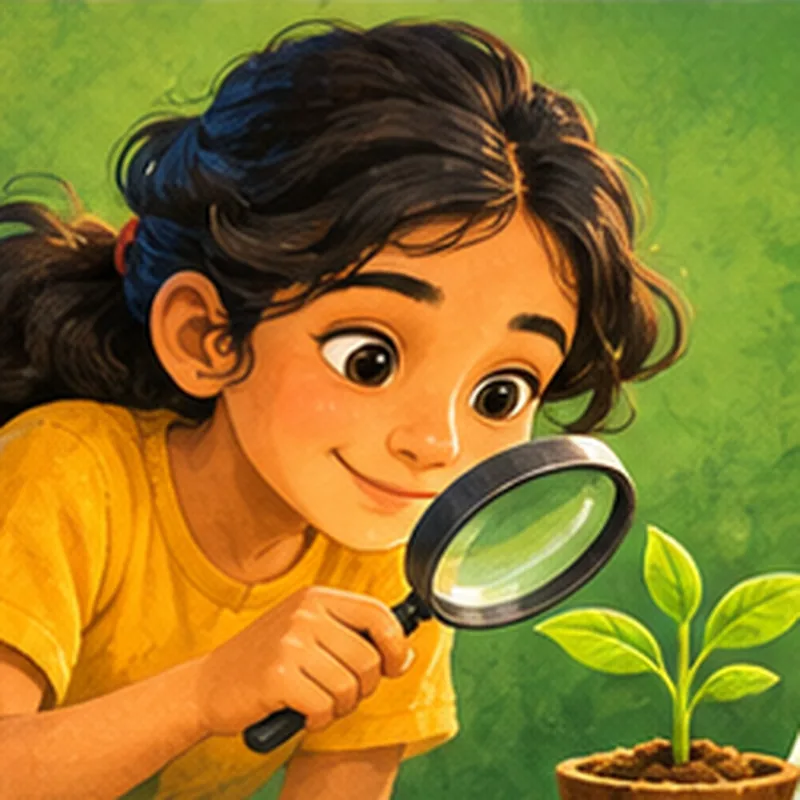
Why does ice float? Where does a plant get its food? Children observe closely, predict, test and record, then explain what they found in their own words.
Explore Science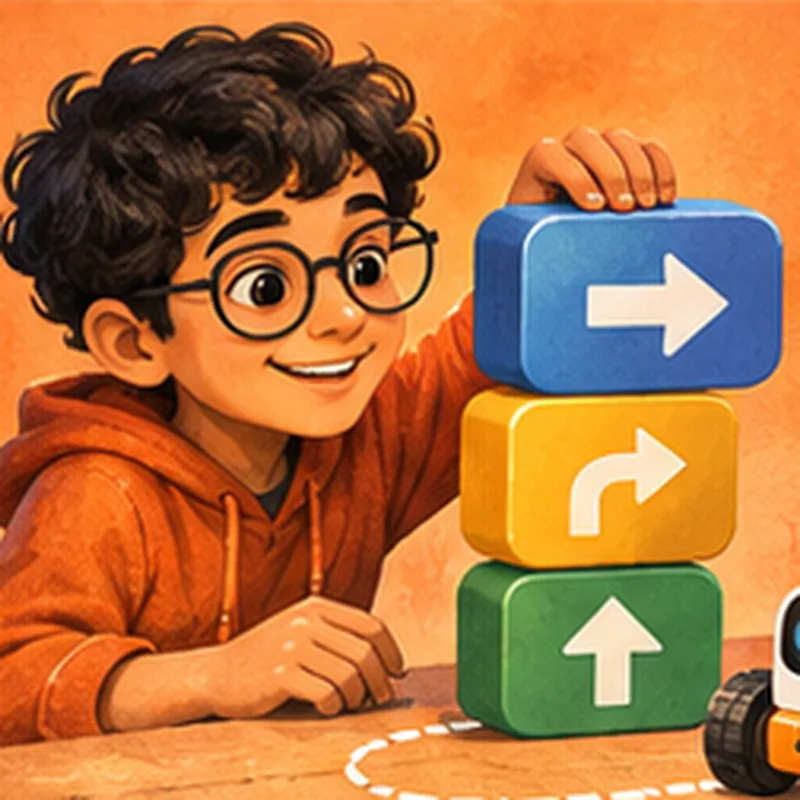
Step-by-step thinking is the heart of coding. Learners break a task into instructions, spot the mistake when it misbehaves, and fix it until it works.
Explore Technology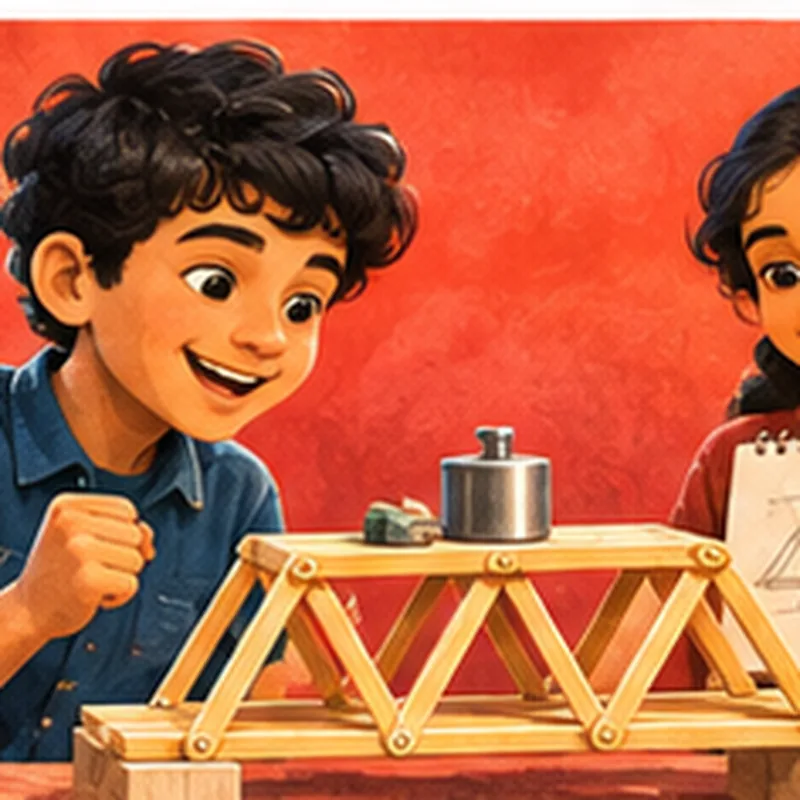
Sketch it, build it, test it, make it better. Children learn that the first version is meant to be improved, and that is where the real learning happens.
Explore Engineering
Numbers become tools, not worksheets. Patterns, shapes and measurements show up inside every project, so maths always has a reason to exist.
Explore MathematicsEvery project moves through the same four steps, so children always know where they are and what comes next.
Start with a real question that children genuinely want answered.
Investigate, try things out, and notice what changes and why.
Turn the idea into something real: a model, a program, a working answer.
Explain what worked, what didn't, and what to try next time.
Every project opens with a question worth asking, so children are curious before they are taught anything.
Children build, test and change things with real materials and real code, not just read about them.
Each session ends with children explaining their idea in their own words, which is where understanding settles.
Questions first. Answers they earn themselves.
Not a worksheet or a score. Something real, something they can say, and something they want to find out next.
A jar, a robot route, a tower or a tile pattern: a real thing, made with their own hands, that they can show to someone.
Children practise explaining what they did and why it worked, so the idea belongs to them, not to a worksheet.
Every project ends with a new question, which is how curiosity turns into a habit.
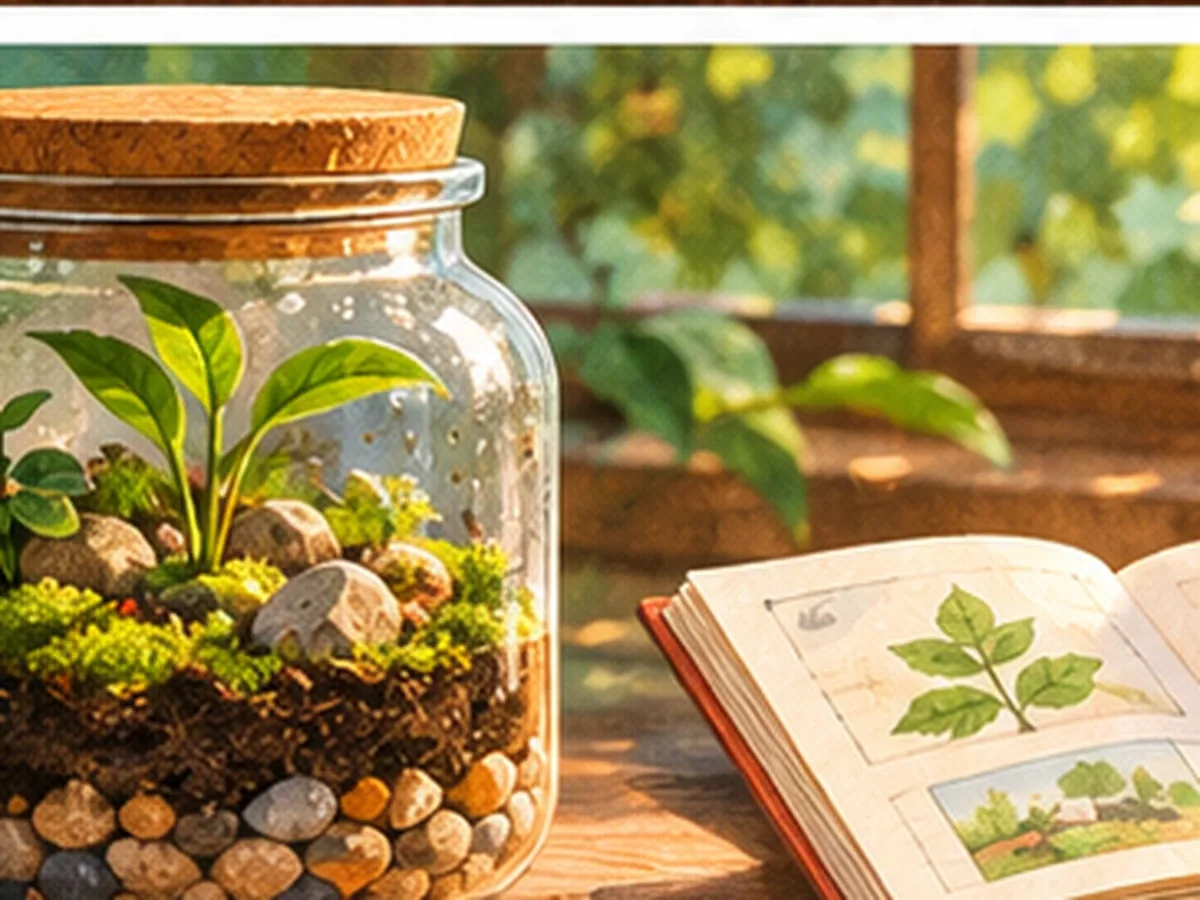
Build a sealed jar world with soil, water and a plant, then watch light, moisture and growth work together over days. Observation journals turn into real conclusions.
See the project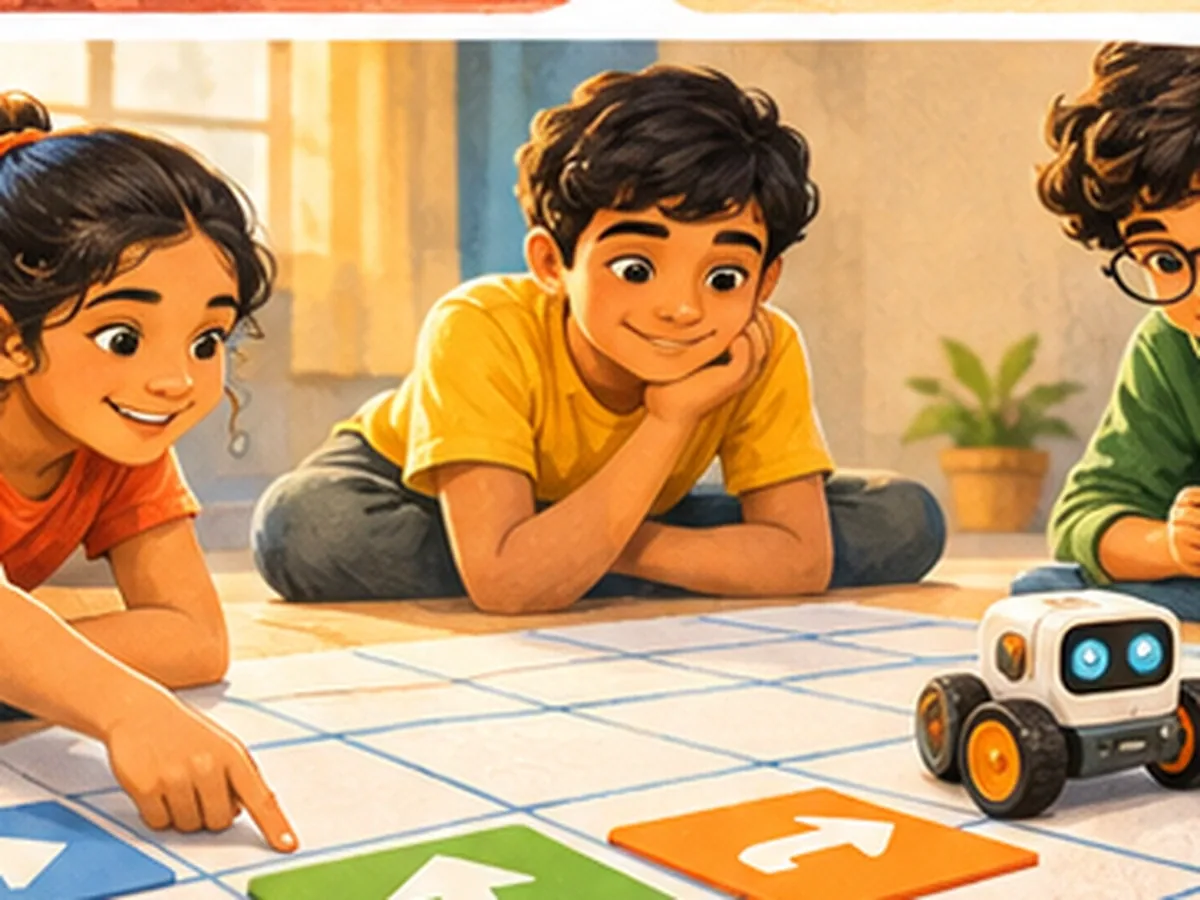
Plan a set of clear instructions, run them, and debug what goes wrong. The same logic sits behind every app children use.
See the project
Use simple materials to build a bridge or tower, test how much it can hold, then use shapes and measurement to make version two stronger.
See the project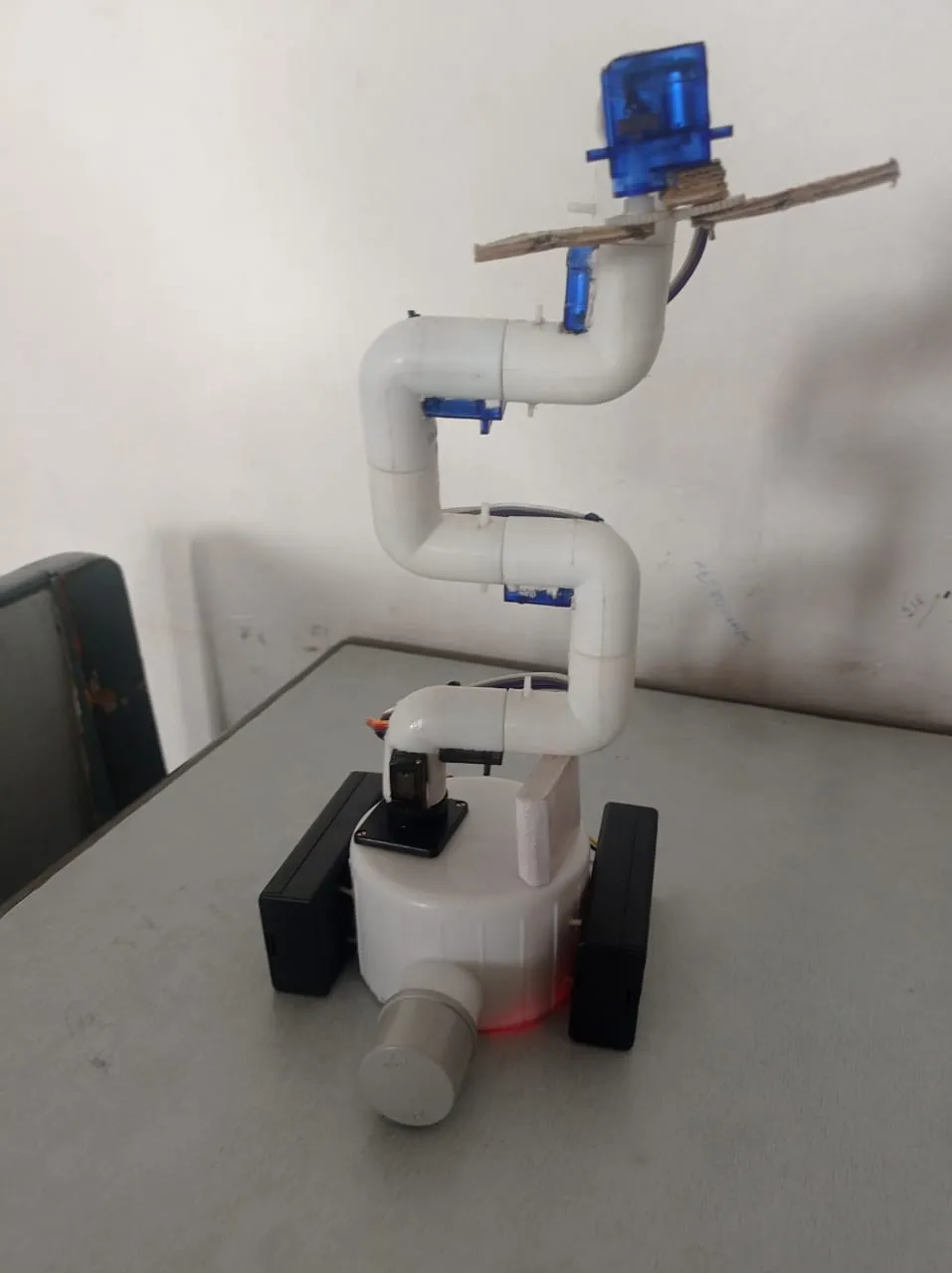
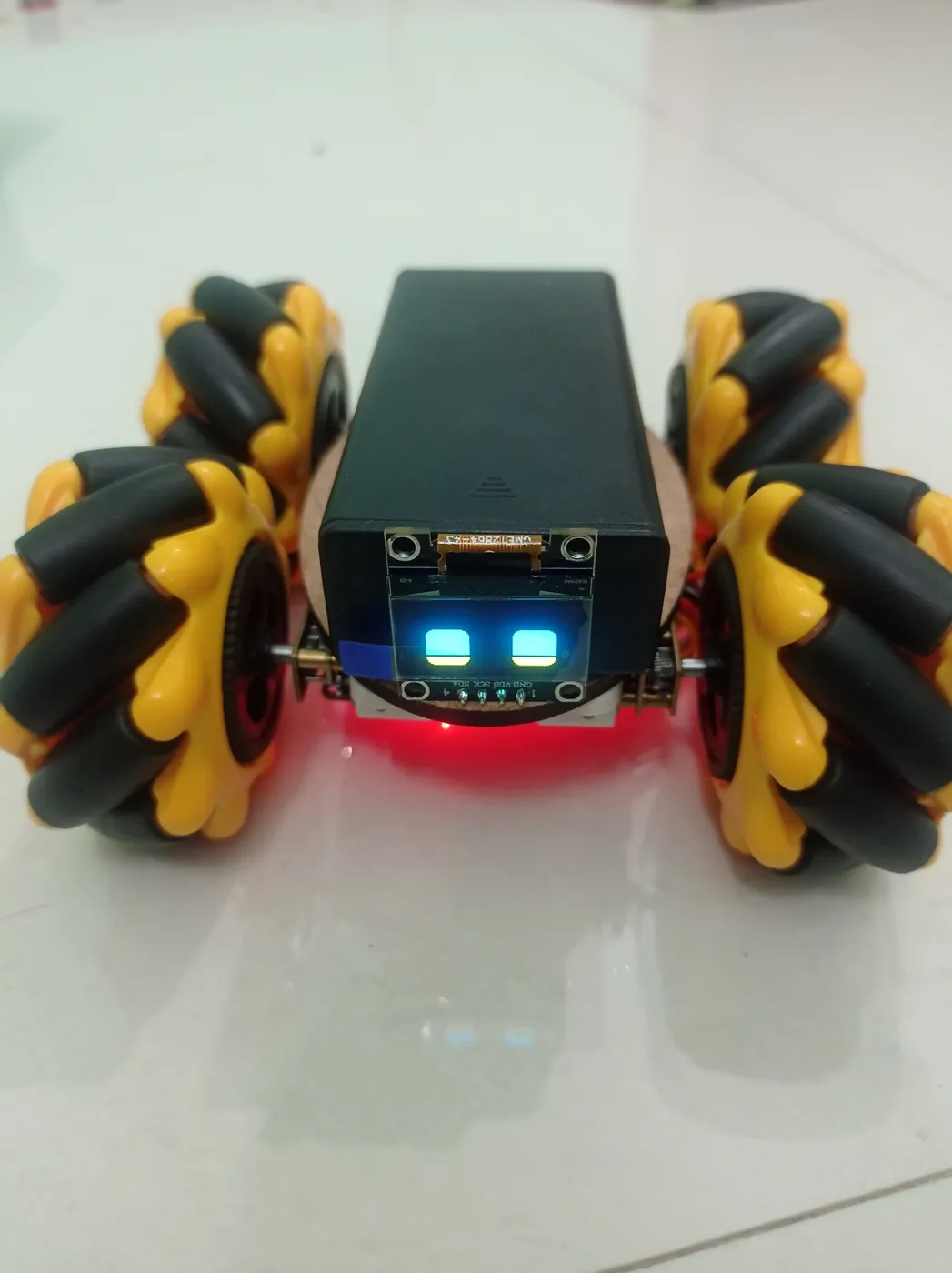
Photos and clips supplied by PIXO Learn from its builds.
Tell us about your child, and we'll share how PIXO STEM can fit their curiosity.
Enquire about STEM